
Blog
How to Plant Tulip Bulbs in Fall for a Spring Full of Colour

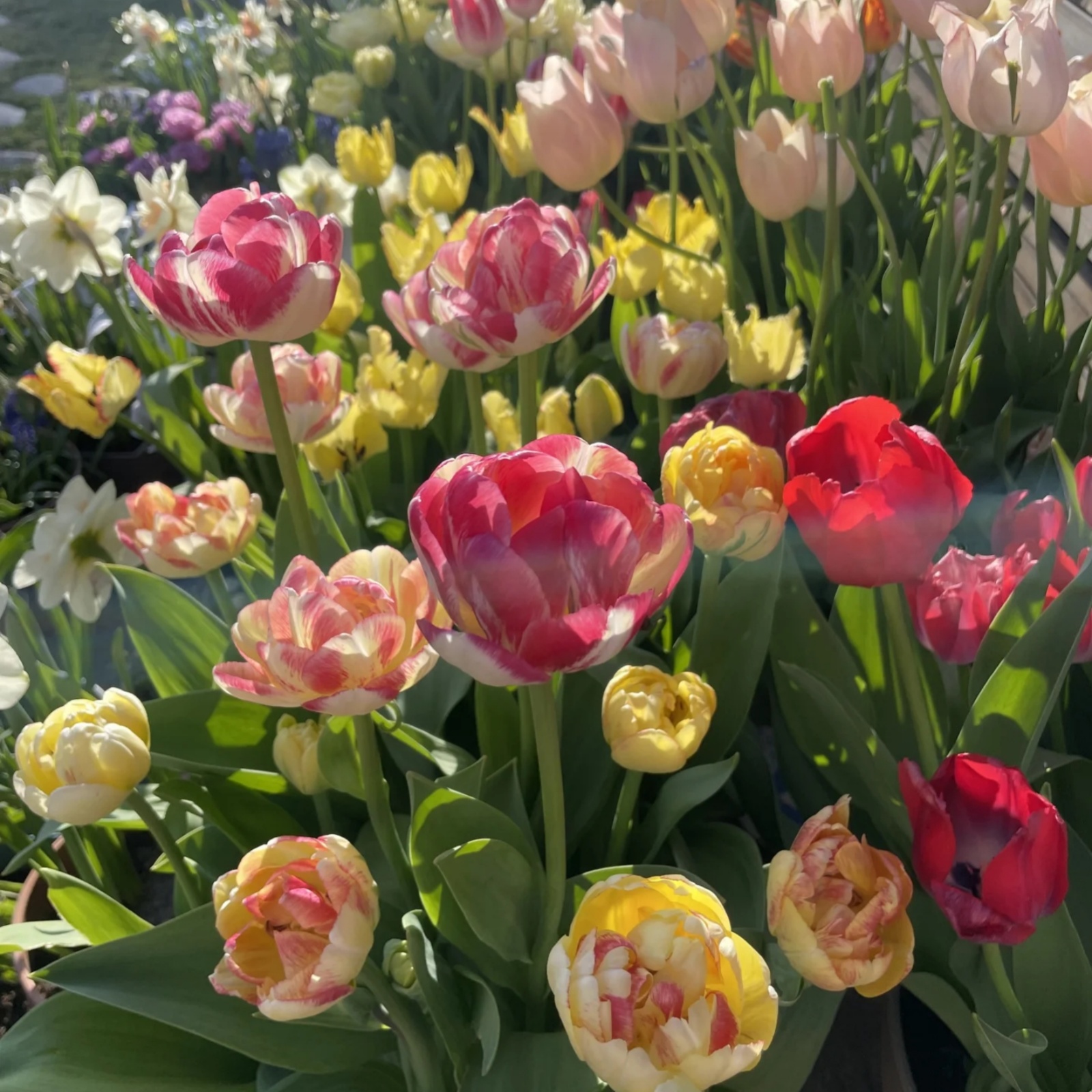
Tulips are one of the few garden plants that ask almost nothing of you at planting time and then reward you generously six months later. The catch is that the planting window is narrow, and a bulb planted at the wrong depth or in the wrong soil simply rots instead of blooming.
Ready to plant? Shop Tulip at Alasines → Free U.S. shipping and a 30-day arrive-alive guarantee.
When to plant tulips
Plant when soil temperatures have dropped to around 55°F (13°C) and nights are consistently cool. In most of the United States that means late September through November. In USDA zones 3–5, aim for late September to mid-October; in zones 6–8, October into early November is ideal.
The old rule of thumb still holds: get them in the ground about six weeks before your first hard frost. Tulips need that cold stretch to break dormancy and form a flower inside the bulb.
If you garden in zone 9 or 10, the ground never gets cold enough. Buy pre-chilled bulbs, or chill your own in the refrigerator (not the freezer, and away from fruit) for 10–12 weeks before planting.
Pick a spot with drainage first, sun second
Tulips want full sun — six or more hours a day — but the thing that actually kills them is wet soil. A tulip bulb sitting in waterlogged ground through winter will rot before it ever thinks about flowering.
Choose a bed that drains freely, or plant on a gentle slope. If your soil is heavy clay, dig in compost and a handful of coarse grit, or plant in raised beds and containers. A soil pH between 6.0 and 7.0 suits them well.
Slightly sandy, lean soil is better than rich soil here. Overfeeding pushes soft leafy growth at the expense of flowers.
How deep and how far apart
The reliable rule is three times the bulb’s height. A large tulip bulb around two inches tall goes in about six inches deep (measure from the base of the bulb to the soil surface). Small species tulips go in three to four inches deep.
Space bulbs four to six inches apart. For a dense, full look, plant in clusters of seven to twelve rather than in a single straight row, and plant at the closer end of the spacing range.
Set each bulb with the pointed end up and the flat, rooty plate down. If you genuinely cannot tell, plant it on its side — the shoot will find its way up.
Planting, step by step
- Loosen the soil to about ten inches deep and remove stones and old roots.
- Mix in compost and grit if your soil is heavy.
- Dig a trench or individual holes to the correct depth.
- Press each bulb gently into the soil at the bottom, pointed end up.
- Backfill and firm the soil with your hands — no stamping.
- Water thoroughly once. After that, natural rainfall is usually enough.
- Mulch with two to three inches of bark or straw after the ground cools, to keep soil temperatures stable.
Keeping squirrels and mice out
Rodents dig up tulip bulbs, and they do it fast. Three things help: plant deeply (deeply planted bulbs are less appealing), water the bed well so the soil settles and the scent of freshly turned earth fades, and lay chicken wire flat two inches below the surface as a physical barrier that shoots can still push through.
Squirrels also dislike the smell of daffodils. Interplanting tulips with daffodils is an old and genuinely effective trick.
What if you plant late?
Late is far better than never. Bulbs planted in December will still bloom, just later and on slightly shorter stems. If the ground is already frozen, pot the bulbs into containers with drainage holes, water once, and store them in a cool, dark, frost-free place such as an unheated garage. Move them outdoors in early spring.
After the flowers fade
Do not cut the leaves. That foliage is the factory that refills the bulb for next year. Let it yellow and collapse naturally, which takes about six weeks, then remove it. Deadhead the spent flower heads so the plant puts energy into the bulb rather than seed.
Most garden tulips bloom reliably for one to three years and then decline. If you want a permanent display, treat them as annuals and replant each fall — or choose species tulips and Darwin hybrids, which naturalise far more willingly.
Choosing bulbs that will actually perform
Look for bulbs that are firm and heavy for their size, with papery tunics intact and no soft brown patches. A bulb that feels light or spongy has already lost the water and starch it needed.
Browse our fall-planting tulip bulbs, or start with our full collection of bulbs and rare plants. Every order ships free, and every bulb is covered by our 30-day arrive-alive guarantee.
Shop the plant
Tulip Bulbs
Free U.S. shipping · 30-day arrive-alive guarantee · Ships in 1–2 business days.