
Blog
Rain Lily vs Amaryllis: How to Tell Them Apart (and Which to Grow)

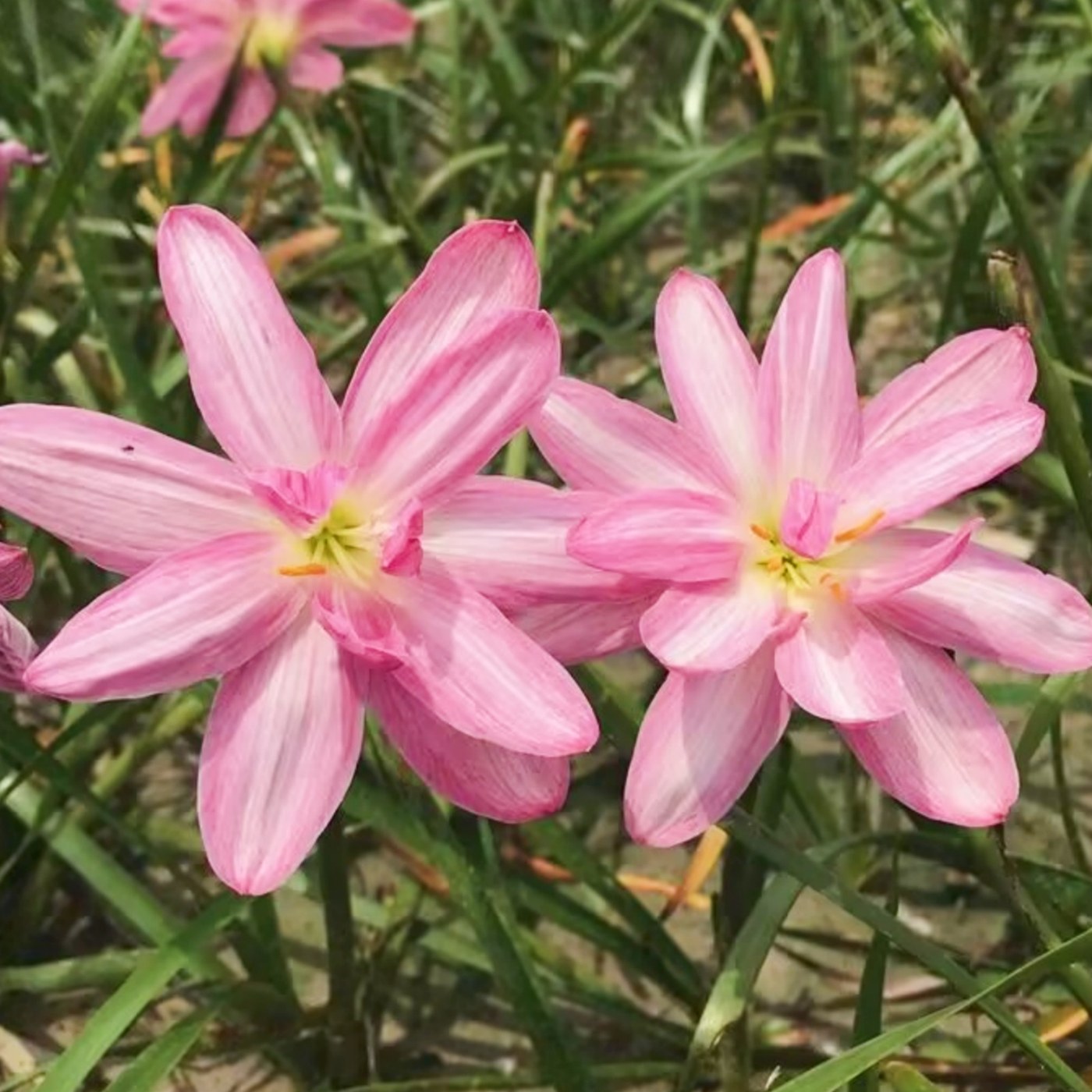
Both are bulbs. Both are in the amaryllis family. Both flower on a bare stem above strap-shaped leaves, and both arrive in the post looking like a small brown onion. Then one of them turns out to be a 20 cm rain lily and the other a 90 cm amaryllis, and the difference suddenly matters — for pot size, for timing, and for whether you plant it in the garden or on a windowsill.
Here is the short version, then the detail.
| Rain lily | Amaryllis | |
|---|---|---|
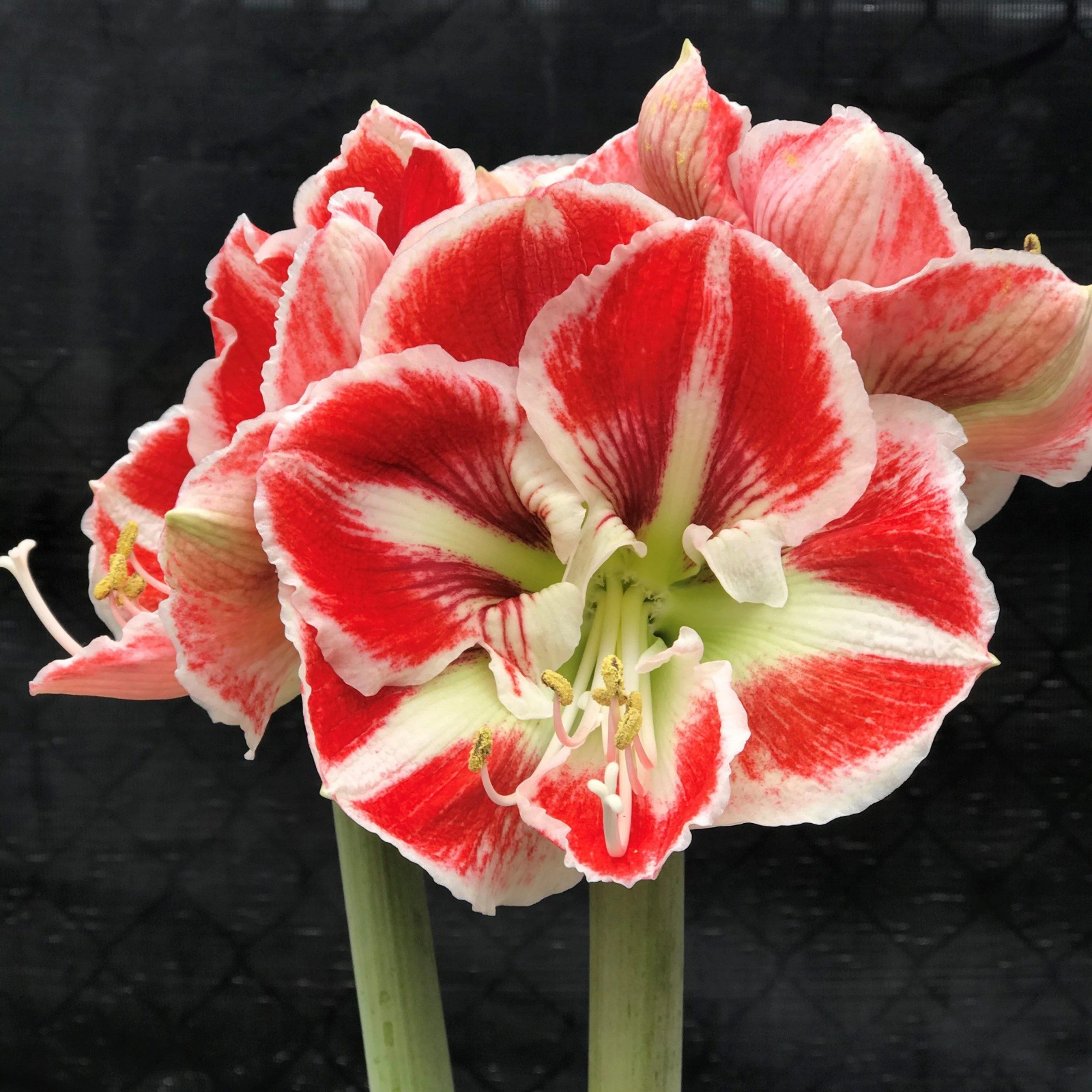
| Flower size | 3–7 cm across | 15–22 cm across |
| Stem height | 15–30 cm | 45–90 cm |
| Bulb size | 2–3 cm | 5–9 cm |
| Bloom trigger | Dry spell, then rain | Warmth after a rest |
| Season | July–October | December–April indoors |
| Hardy to | Zone 7 | Zone 8 (as a garden plant) |
| Best in | Drifts, path edges, pots | One big pot, one big flower |
Look at the bulb first
This is the fastest test and you can do it before planting. A rain lily bulb is roughly the size of a grape — 2–3 cm across, with a dry, papery tunic and a short neck. An amaryllis bulb is the size of a large onion or a fist, 5–9 cm across, often with thick fleshy roots still attached.
Ten rain lily bulbs fit in the palm of your hand. One amaryllis bulb fills it.
They flower for completely different reasons
This is the part that trips people up. A rain lily is triggered by water: a dry spell followed by a soaking, and flowers appear in two to four days. That is why they flower after summer storms and why you can force a flush with a hose.
An amaryllis is triggered by warmth after rest: the bulb needs six to eight weeks of cool, dry dormancy, then a warm room and water to start it into growth. You are not waiting for rain, you are simulating spring.
Put a rain lily on a windowsill in December and nothing happens. Put an amaryllis in a border in July and it makes leaves. Different clocks entirely.
Where each one belongs
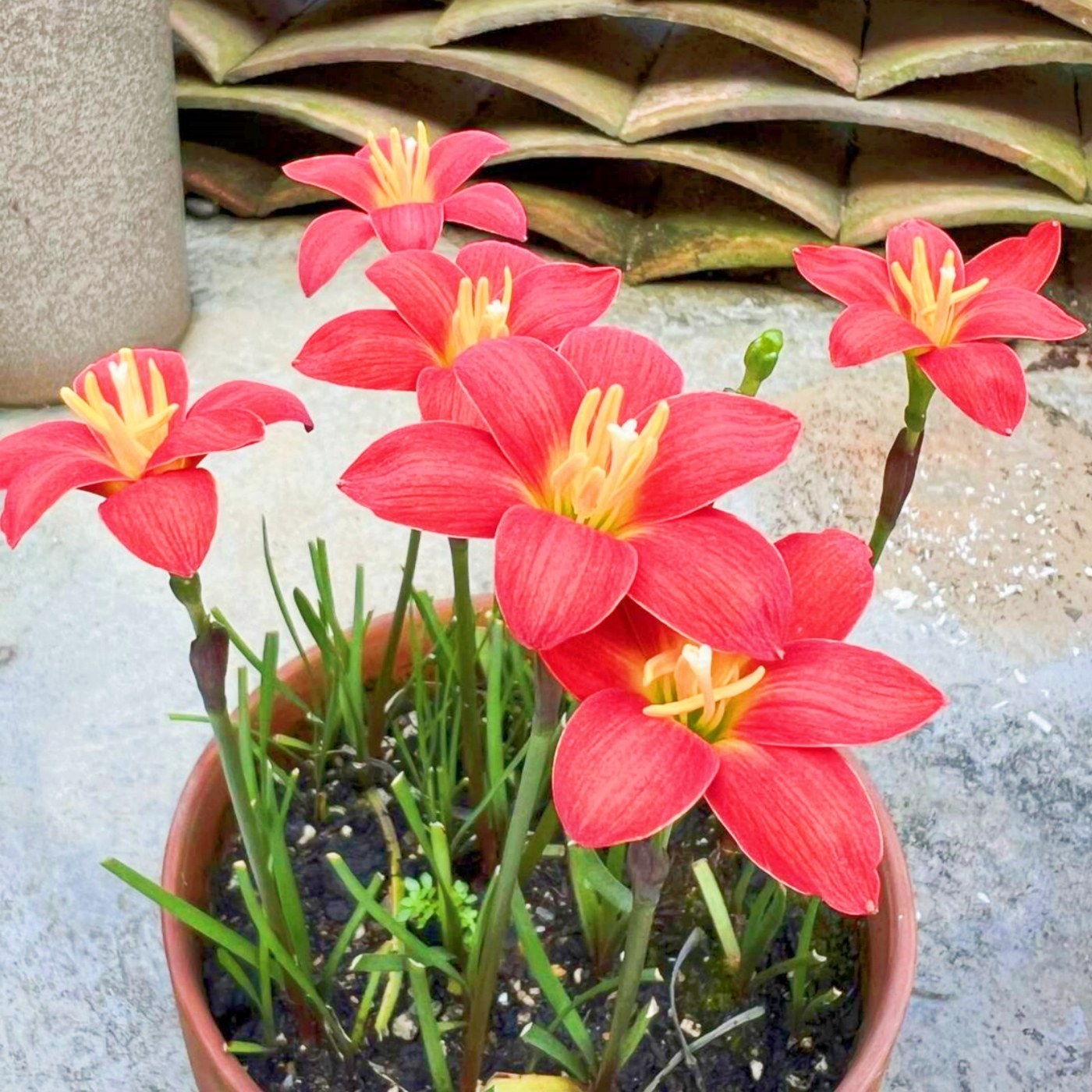
Rain lilies are garden plants. They want full sun, sharp drainage and room to multiply. Plant them in drifts at the front of a border, along a warm path, or in a wide shallow pot. They naturalise in zones 7–10 and come back bigger every year. If you have a hot, gritty spot where other things struggle, that is where they go.
Amaryllis is a houseplant that happens to be a bulb. One bulb in a 20 cm pot, on a bright windowsill, is the classic use. You get one stem with three or four enormous flowers for three or four weeks. Garden planting works in zone 8+ but flowering is less reliable than indoors.
Can you grow them together?
Only in the sense that they can share a garden. They cannot share a pot or a watering schedule. Rain lilies want to dry out hard between soakings; amaryllis in growth wants even moisture. Planted side by side in a border, the rain lilies will be fine and the amaryllis will be mediocre — it is simply too wet and too shaded at soil level for it to bulb up properly.
Soil and pot size, side by side
Rain lilies want a gritty mix and a wide, shallow pot — 20–25 cm across, 20 cm deep, packed with bulbs 8–10 cm apart. Crowding is what makes a display look like a display. Amaryllis wants the opposite: a pot only 2–3 cm wider than the bulb, because a big pot of wet compost around a dormant bulb is the fastest way to rot it.
Both need drainage holes. Neither will tolerate a saucer full of standing water, but only the rain lily will forgive you for letting the pot go bone dry for a fortnight.
Do they smell?
Amaryllis is largely unscented — the big Dutch hybrids have no fragrance at all, which is one reason they are sold as winter colour rather than cut flowers. Rain lilies are subtle: on a warm evening some Zephyranthes release a light, sweet scent for a few hours. Neither is a substitute for hyacinth if fragrance is the point.
Which should you buy?
If you want colour in the garden for years with almost no work, buy rain lilies. They are cheap per bulb, they multiply, and the flush after rain is genuinely spectacular for a week.
If you want one enormous flower indoors in winter, buy amaryllis. Nothing else gives you a 20 cm trumpet on a windowsill in January.
Most gardeners end up with both, which is the correct answer.
Quick answers
Are rain lilies and amaryllis the same family? Yes, both are Amaryllidaceae, which is why the bulbs and leaves look similar.
Do rain lilies smell? Some do, faintly, in the evening. Amaryllis is usually unscented; the fragrant ones are the species types.
Are they both toxic to pets? Yes. Both contain lycorine and should be kept away from dogs and cats that chew.
Can I force rain lilies indoors in winter? Not reliably. They need warmth and light; a cool windowsill in December gives leaves, not flowers.
Browse the rain lily collection or the amaryllis bulbs, and read the full guides: rain lily care and amaryllis care.
Read next: Rain lily care guide · Why rain lilies don’t bloom · Forcing bulbs indoors for winter
Shop the bulbs
Rain Lily Bulbs – 6 colours, 3 to 15 bulbs
Free U.S. shipping · 30-day arrive-alive guarantee · Ships in 1–2 business days.